An insert is a heater bolted into an old chimney, and it will be part of your house for a long time. The person who fits it decides how safely it vents, how well it heats and how easy it is to service later. This post sets out what a careful installer does before, during and after the job, and the warning signs that tell you to keep looking. It is written from what we see on planning visits around Fountain Valley, including the installs we are called to put right.
Before any price: a look inside the chimney
An installer who prices an insert without seeing the chimney is guessing. The insert depends on the flue, the crown and the brick around it, and none of those can be judged from a photo of the living room.
A careful installer either inspects the chimney first or asks for a recent report. We usually start with a Level 2 inspection at $395, which runs a camera through the flue. If the chimney has seen years of wood fires, a sweep from $425 comes before anything else. When the camera turns up a broken crown, open tile joints or loose brick at the top, those repairs are priced separately and done before the insert goes in.
Ask: Will you inspect the chimney before you quote, and what happens if you find damage?
Measurements, not estimates
Inserts fit within tight limits. A good installer measures the opening at the front and back, its height and depth, and checks the hearth in front of it. They also note the distance to any wood trim or a mantel above, because each insert's manual sets minimum clearances to combustible materials.
On a factory-built metal fireplace, the installer should find the label plate and confirm that the insert they propose is approved for that box. If nothing is approved, they should say so rather than force a fit.
Ask: Which models fit my opening, and where do the clearances come from?
A vent that runs the whole way up
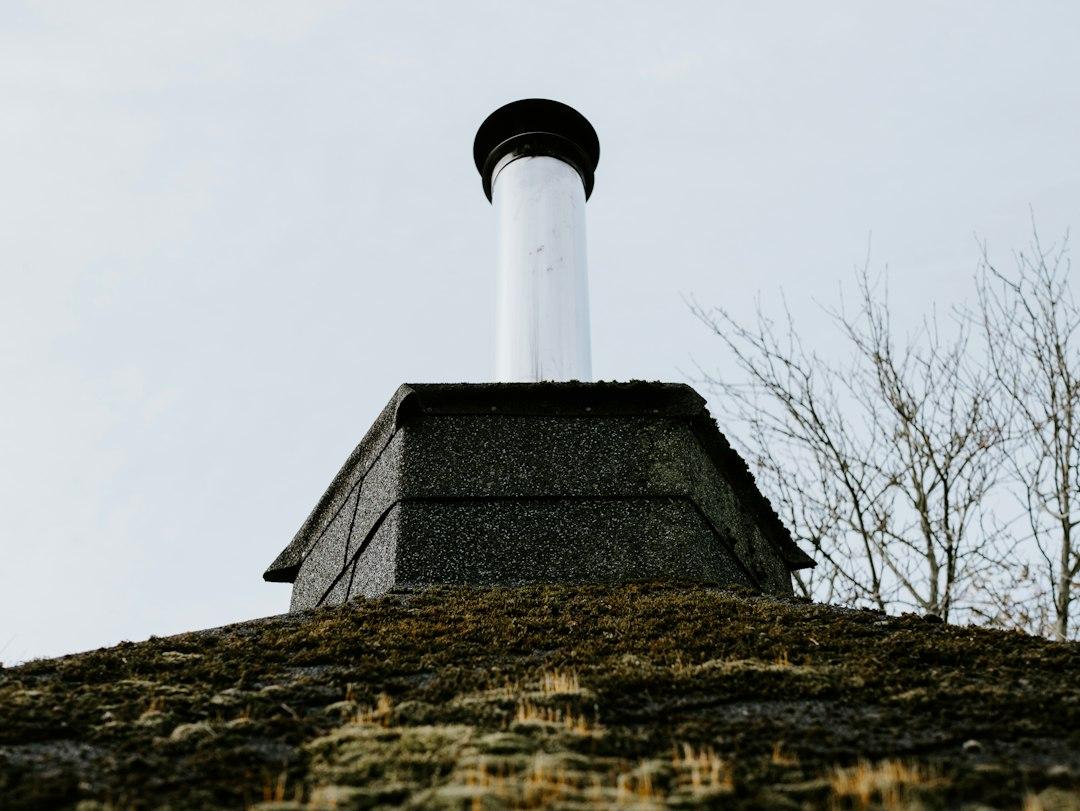
Every insert, gas, wood or pellet, needs its own vent from the unit to the top of the chimney. For wood, that means a stainless liner sized to the insert's outlet. For gas, it usually means a pair of flexible pipes. For pellet, a pellet vent pipe.
The shortcut to avoid is an insert pushed into the fireplace with a short pipe, or no pipe, ending in the old flue. That leaves hot exhaust in an oversized space, where it cools, drafts badly and, with wood, coats the flue with creosote quickly. We still find inserts fitted that way around Fountain Valley, usually in houses that have changed hands since.
Ask: Does the quote include a vent from the insert all the way to the top, and what is it made of?
Gas, power and permits
A gas insert needs a gas supply sized for its burner and a shutoff valve within reach. If there is no line at the hearth, one has to be run, and that work may need a city permit. A blower or a pellet insert needs an outlet; adding one is electrical work.
A careful installer tells you which parts of the job need a permit, who will pull it and what the inspection involves. They also check that the house has working carbon monoxide alarms, since any fuel-burning appliance adds to the reasons to have them.
Ask: Does any part of this job need a permit, and is it in the price?
What the written quote should show
A quote you can compare with another one lists the job in parts:
- the make and model of the insert, with its front and options
- the vent kit, its length and the cap or termination
- any sweep, inspection or chimney repair required first
- gas and electrical work, or a note that none is needed
- removal of the damper plate, glass doors or anything else in the way
- what is left for you to arrange, such as a new hearth face
A single number with no model named is the sign to ask more questions. So is a price given over the phone before anyone has seen the fireplace.
How we price it
For gas inserts, our installed range is $2,800 to $5,650. Where your job falls depends on the model, the size of the opening, how tall the chimney is and whether gas and power are already at the hearth. Our gas insert pricing post goes through each item. For wood and pellet inserts we write a figure once the opening and the chimney are measured; the unit and its liner differ too much between houses for a fixed range.
The useful next step is a planning visit. Fill in the quote form with the age of the house if you know it, what the fireplace burns now and which fuel you are leaning toward. We bring models that suit your opening and write up the job line by line.
After the install
The installer's work is not finished when the glass goes on. You should see the insert lit and running before they leave, with the controls explained and the manual left behind. For a gas insert, that includes where the shutoff valve is and how to turn it.
Ask what yearly service the insert needs and who will do it. A gas insert wants its burner, pilot, glass and vent looked at each year. A wood insert wants its liner swept. A pellet insert wants its vent cleaned and its moving parts checked. We service the inserts we fit, and we also take on fireplace insert work fitted by others when the owner wants it checked.
Red flags, in short
- No look at the chimney before a price
- No model named on the quote
- A vent that stops short of the top of the chimney
- No answer on clearances or permits
- Pressure to decide on the spot
Owners in Fountain Valley, Huntington Beach, Costa Mesa and Cypress who want a second opinion on an insert quote, or a first one, can reach us through the contact page and we will arrange a look at the fireplace.
Ready to Price Your Own Upgrade?
Ellsworth Chimney Solutions measures the opening, checks the flue and hearth, then sets wood, gas and pellet routes next to each other with a price for each. Homes in Fountain Valley, Huntington Beach, Costa Mesa, Cypress and the towns around them are covered.