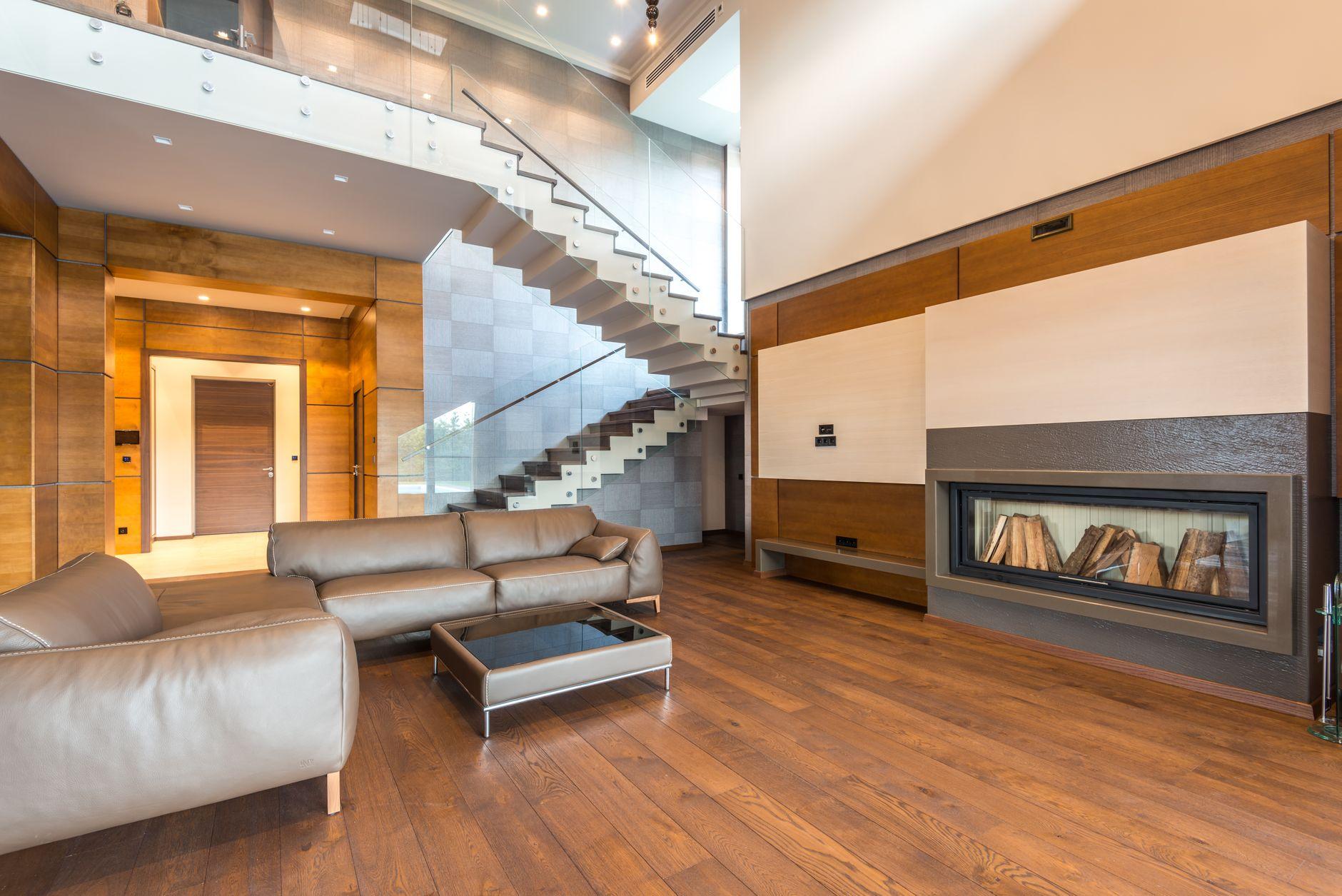
When owners in Fountain Valley price an insert, the unit gets most of the attention: the glass, the flame, the front. The part that decides whether it works well sits out of sight, running from the top of the insert to the top of the chimney. That is the liner, and every insert we fit has one. Here is why, what a liner job involves, and how we price it.
Why the old flue will not do
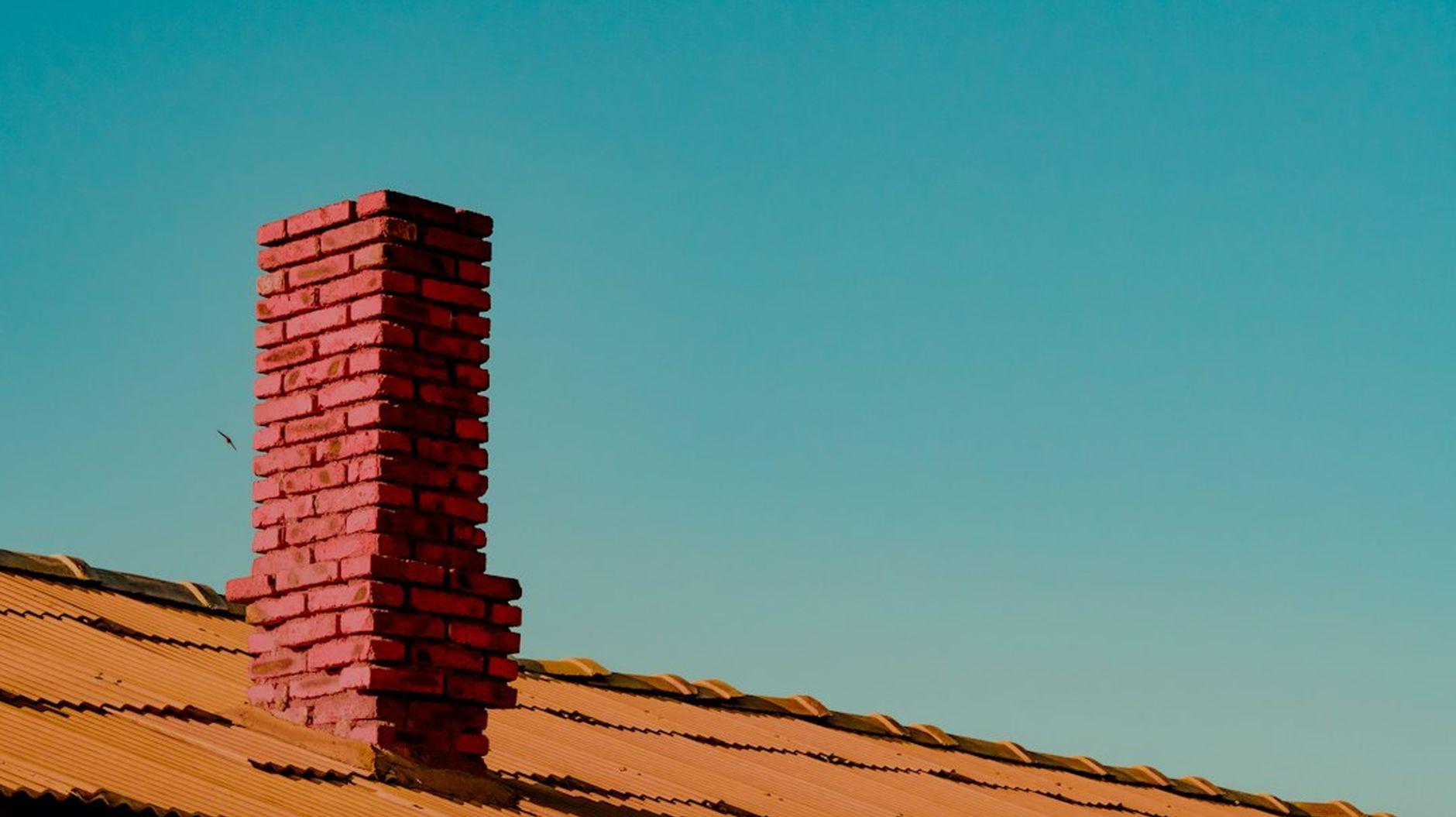
Most chimneys on houses built in the 1960s and 1970s have clay tile flues cut to suit a roaring open hearth. A hearth fire pulls huge amounts of room air with it, which is why that tile is so wide. An insert breathes through a much smaller collar. Its outlet might be a fifth of the size of the old flue.
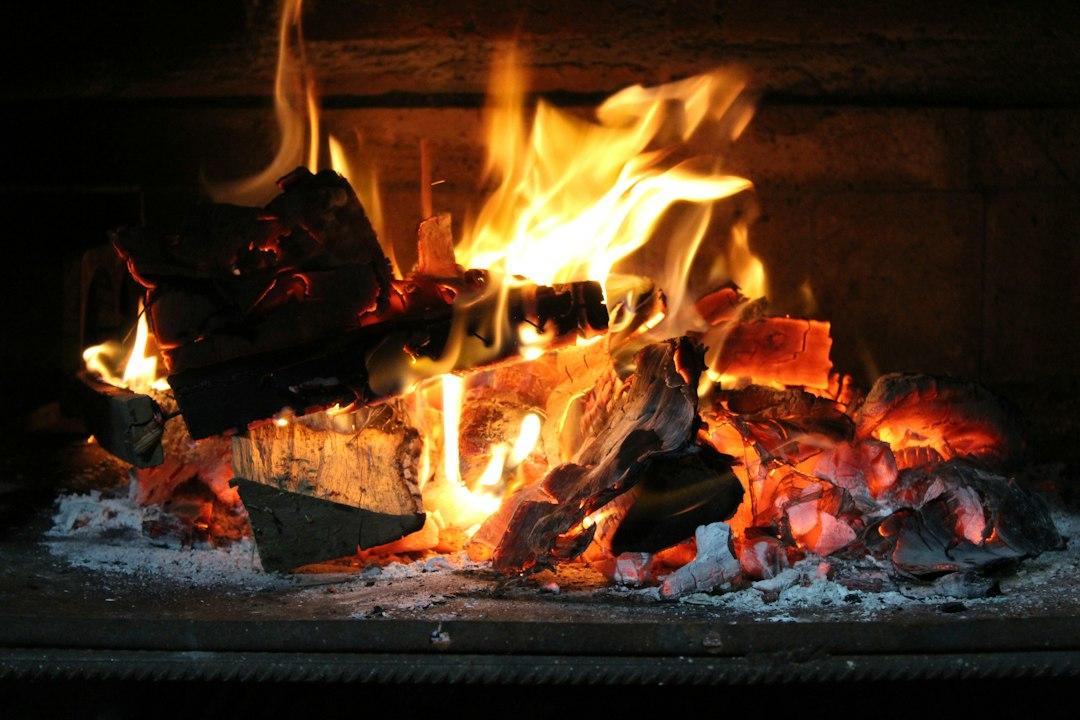
Put that small stream of exhaust into a big clay flue and it slows and cools on the way up. Slow, cool exhaust drafts poorly, so the insert may smoke on startup. With wood, cooled smoke drops creosote on the tile quickly. With gas, the water in the exhaust condenses on the cold clay and works into the mortar joints.
Then there is the condition of the tile itself. Decades of heat, rain and Southern California quakes leave many clay flues with open joints, hairline cracks or a broken section near the top. An open fire might limp along with that. An insert running for hours at a time should not.
A liner gives the insert a sealed path of the right size from the unit to the open air. That is why the makers of every insert we fit call for one in their instructions.
What kind of liner goes with which insert
- Wood inserts: a stainless liner, round or oval, sized to the insert's outlet and running the full height. On some chimneys it is wrapped in insulation to meet the clearances the liner's listing sets.
- Gas inserts: usually two flexible aluminum or stainless pipes, one for exhaust and one bringing outside air down to the burner, or a single pipe with one inside the other.
- Pellet inserts: a pellet vent pipe sized to the stove, often with an outside air connection.
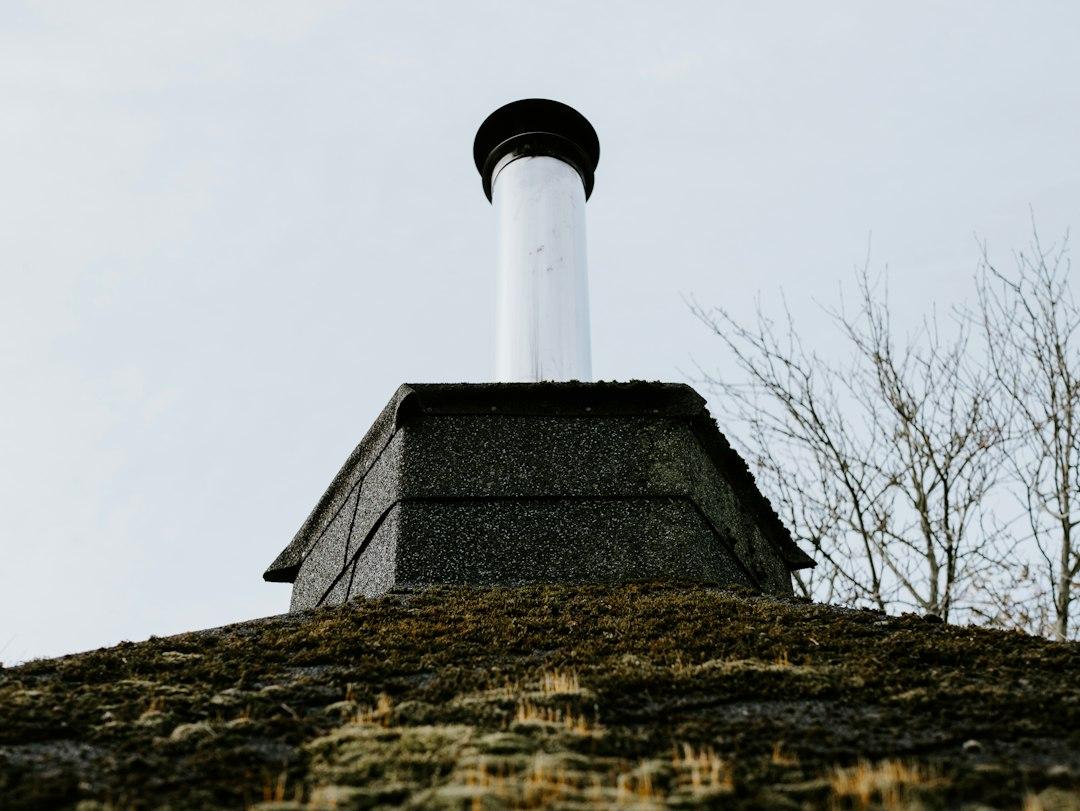
Each type ends at the top in a termination or cap made for it, and the top of the old flue is sealed around the new pipe.
What a liner job involves
A liner install starts with knowing the flue. We run a Level 2 inspection at $395 so we can see the tile, any bends in the flue and the condition of the smoke chamber, and so we can measure the run. If the flue has heavy creosote, a sweep from $425 comes first.
On the install day we protect the room and the roof, take out or block open the old damper plate so the pipe has a clear route, and work the liner through from the top of the chimney. At the bottom it connects to the insert; at the top it is fastened and sealed under its cap. Before we leave, the insert is lit and the draft is checked.
If the camera shows a cracked crown or loose brick at the top, those repairs are done first. A new liner in a chimney whose top is coming apart is money spent in the wrong order.
What decides the price of a liner
We do not publish a fixed liner price, because the job changes a great deal from one chimney to the next. These are the items that move it:
- Height. A two-storey house in Huntington Beach needs much more pipe than a single-storey ranch in Fountain Valley.
- Material and diameter. Wood liners are heavier stainless; gas vents are lighter; pellet vent sits between.
- Insulation. Some wood installs need the liner wrapped, which adds material and labour.
- The flue's shape. A straight flue takes a liner easily. One with offsets, or a narrow tile, may need an oval liner or extra work at the bends.
- The top. A new cap or termination, and sometimes crown work to give it something sound to sit on.
- Access. A steep or high roof takes more setup.
After the camera inspection we write the liner job up as its own line, separate from the insert and from any repairs, so you can see each part. To get that started, send a note through the quote form saying what the liner will serve (an insert you already own, one you plan to buy, or an existing stove) and whether the house has one storey or two. We take it from the camera inspection.
Relining without an insert
Not every liner job comes with a new insert. We also reline chimneys where the camera has found broken tile and the owner wants to keep burning an open fire, or where a chimney liner installation is the fix a Level 2 recommends before a sale. The process is the same; only the size of the liner changes.
Inserts already fitted without a liner
Some inserts around Fountain Valley were fitted years ago with a short pipe into the old flue, or no pipe at all. We find them most often on Level 2 inspections for a home sale. If yours is one, it can usually be put right by pulling the insert, running a full liner and setting the insert back, provided the insert itself is still sound. If it is not, it is often the moment to compare a new one; our fuel comparison is a good place to start.
The short version
The insert makes the heat. The liner lets it burn the way its maker intended. Pricing an insert without its liner is pricing half the job, and we price both together on every fireplace insert visit.
Questions about the flue behind your fireplace can come to us through the contact page, and we will set up a camera look before anyone talks about models.
Ready to Price Your Own Upgrade?
Ellsworth Chimney Solutions measures the opening, checks the flue and hearth, then sets wood, gas and pellet routes next to each other with a price for each. Homes in Fountain Valley, Huntington Beach, Costa Mesa, Cypress and the towns around them are covered.