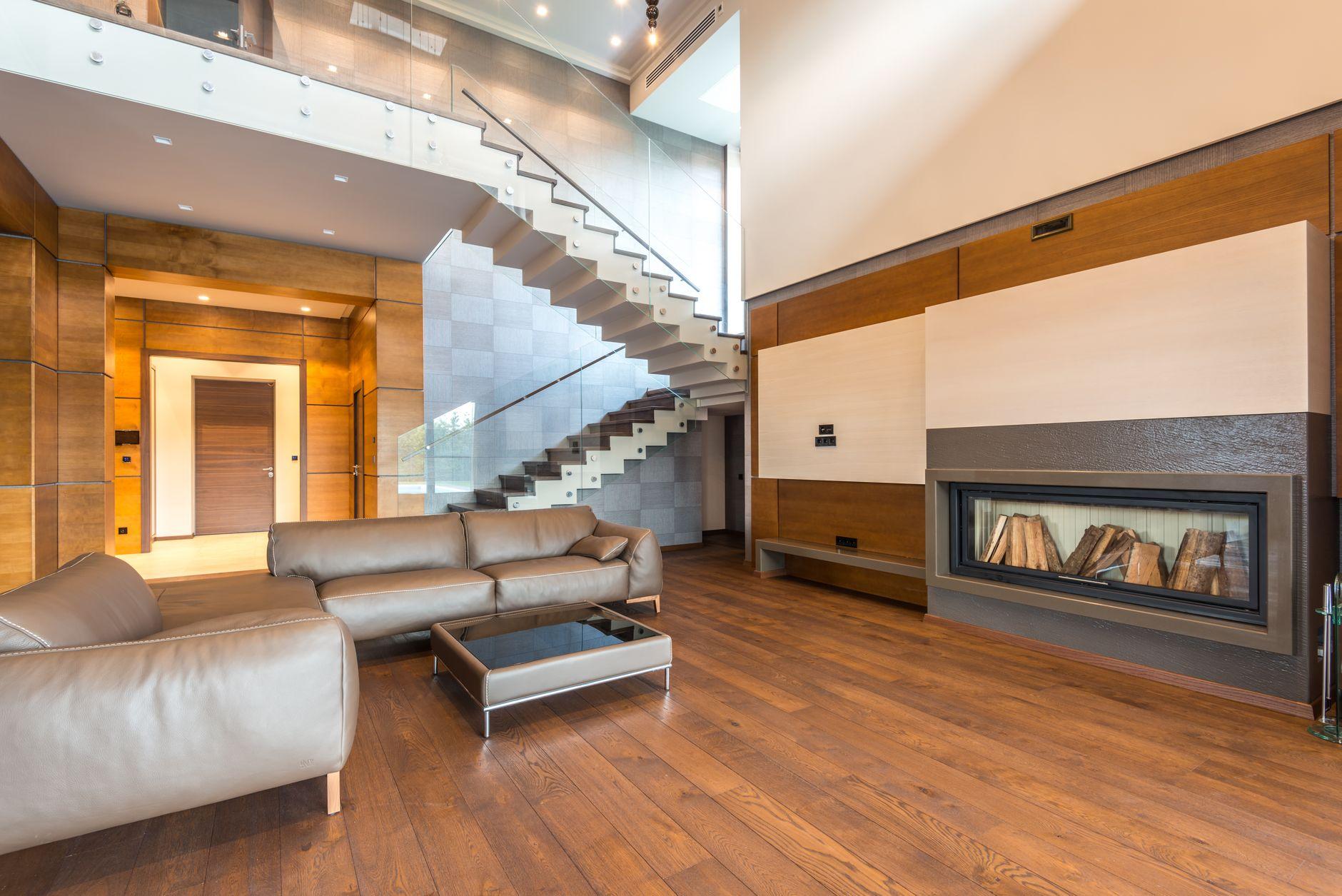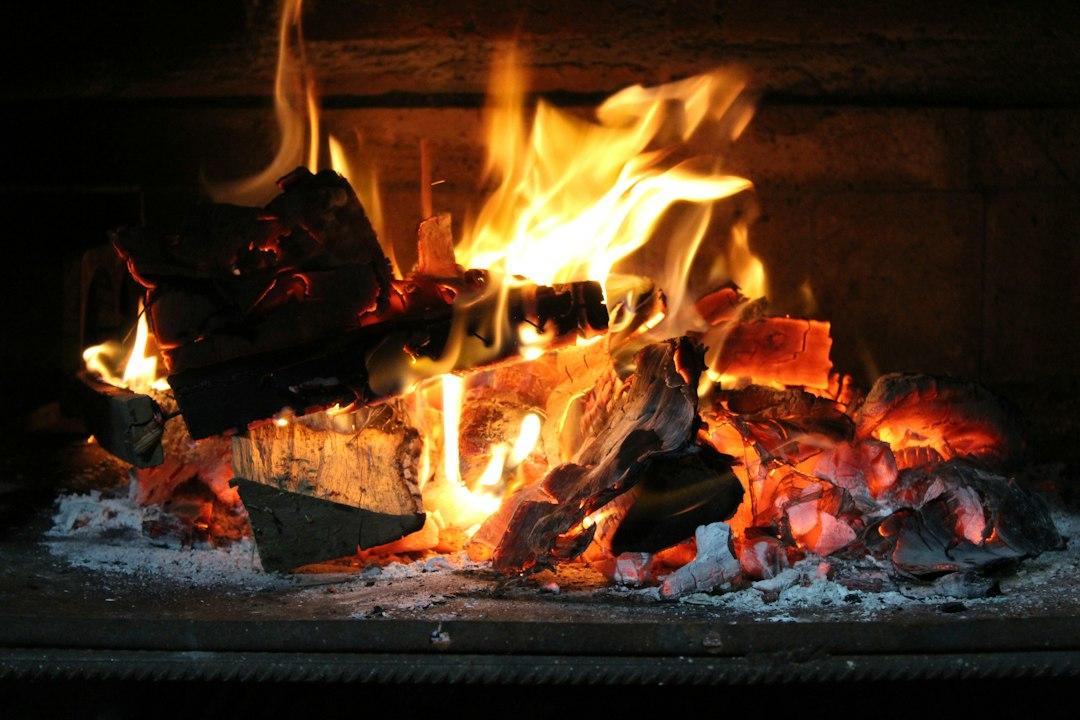
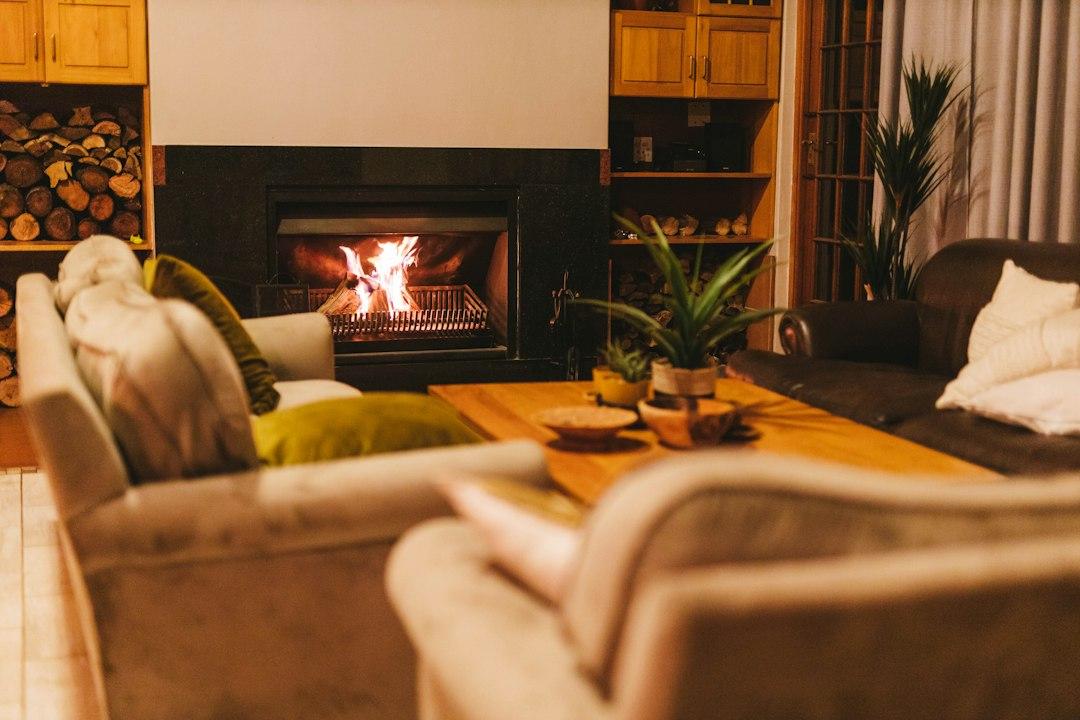
Owners in Fountain Valley who want to stop hauling wood usually narrow it down to two gas options. One is a set of ceramic logs on a gas burner, sitting in the open firebox you already have. The other is an insert: a sealed box with glass in front that fills the opening and runs as a heater. Both burn gas and both look like a fire. They do very different jobs, and the price gap between them reflects that.
The short answer
Gas logs give you the look of a fire with the ease of a switch. An insert gives you the look plus real heat in the room. If the fireplace is mostly for evenings with guests and the holidays, logs are often enough. If you want the living room warm through the winter, an insert is the one that delivers.
Side by side
| Point | Gas log set | Gas insert |
|---|---|---|
| What it is | Ceramic logs on a burner in the open firebox | Sealed firebox with glass, fitted into the opening |
| Heat into the room | Modest; much of it goes up the chimney | Strong, especially with a blower |
| Look | Open flame, nothing in front | Flame behind glass, framed by a surround |
| Venting | Uses the existing flue | Its own vent run to the top of the chimney |
| Damper | Has to stay partly open | Sealed off by the insert and its vent |
| Controls | Valve key, switch or remote | Remote, wall switch or thermostat |
| Our installed price | Written figure after we see the firebox | $2,800 to $5,650 |
Why the heat differs so much
Vented logs flame inside the bare firebox, and their fumes leave through the existing chimney. To let that exhaust out, the damper has to be held open whenever the logs might run, and on many installs it is clamped so it can never shut fully. That opening lets warm room air rise up the chimney too, even on nights the logs are off.
An insert closes the opening completely. Most gas inserts draw air for the burner from outside, through the vent, and send exhaust back out the same way. The room air stays in the room, and the heat from the burner is pushed into it through the front and, with a blower, around the sides. The difference on a cold evening is easy to feel.
Unvented log sets also exist, and they put more of their heat into the room by sending their exhaust into it as well. They have rules on room size and their own safety controls. We talk through what each type means for your room on the visit rather than recommend one for every house.
Why the cost differs so much
A log set is a burner, a valve, a set of logs and the connection to the gas line. If gas is already at the hearth, the install is short. We give a written figure once we have seen the firebox, since the size of the set and the burner have to match the opening.
An insert is a full appliance. Its range with us, $2,800 to $5,650 installed, covers the unit and its vent up the chimney, and it moves with the model, the opening and the height of the chimney. Our gas insert pricing post breaks that down line by line.
What both of them need from the chimney
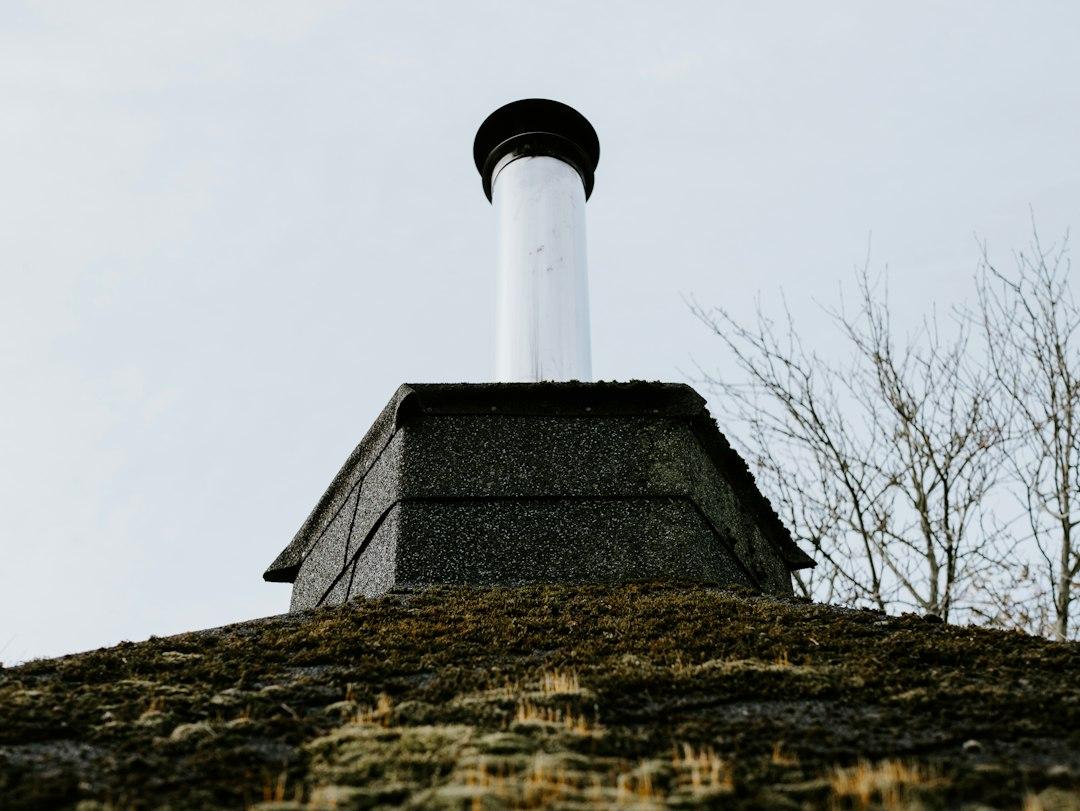
Logs and inserts alike depend on the chimney above them. A log set uses the old flue directly, so the flue has to be clear and sound. An insert needs a clean chimney to carry its new vent. In both cases we start with a look inside: a Level 2 inspection at $395 if we have not seen the chimney before, and a sweep from $425 if it has been burning wood.
On a factory-built metal fireplace, the box's maker decides what can go in it. Some allow only certain log sets and no inserts, others list approved inserts. We read the label plate on the visit and price only what the box allows.
What decides which one is right for you
Four questions settle most cases:
- How often will you use it? A few times a year points to logs. Most evenings in winter points to an insert.
- Do you want heat or atmosphere? Logs are atmosphere first. An insert is heat first.
- What does the firebox allow? A masonry firebox takes either. A factory-built box may limit you.
- Is gas already at the hearth? If it is, both installs are simpler. If not, both need a line run.
Once you have a feel for the answers, tell us through the quote form which way you are leaning and roughly how often you light the fireplace now. We bring options for both to the visit, measure the firebox and write each one up so you can compare them on paper.
Changing your mind later
A log set does not rule out an insert later. Many owners in Fountain Valley start with logs, then decide after a winter or two that they want the heat. When that happens, the log set comes out and the insert goes in with its own vent. Going the other way is less common: once owners have had an insert warm the room, few go back to logs.
Service for each
A log set needs its burner ports, pilot and logs looked at from time to time, and the flue checked, because its exhaust uses it directly. An insert needs its burner, pilot, glass and vent checked once a year. We cover both under our gas fireplace cleaning service and our fireplace gas logs page.
If you are weighing logs against an insert for a fireplace in Fountain Valley or nearby, a message through our contact page gets a planning visit set up.
Ready to Price Your Own Upgrade?
Ellsworth Chimney Solutions measures the opening, checks the flue and hearth, then sets wood, gas and pellet routes next to each other with a price for each. Homes in Fountain Valley, Huntington Beach, Costa Mesa, Cypress and the towns around them are covered.