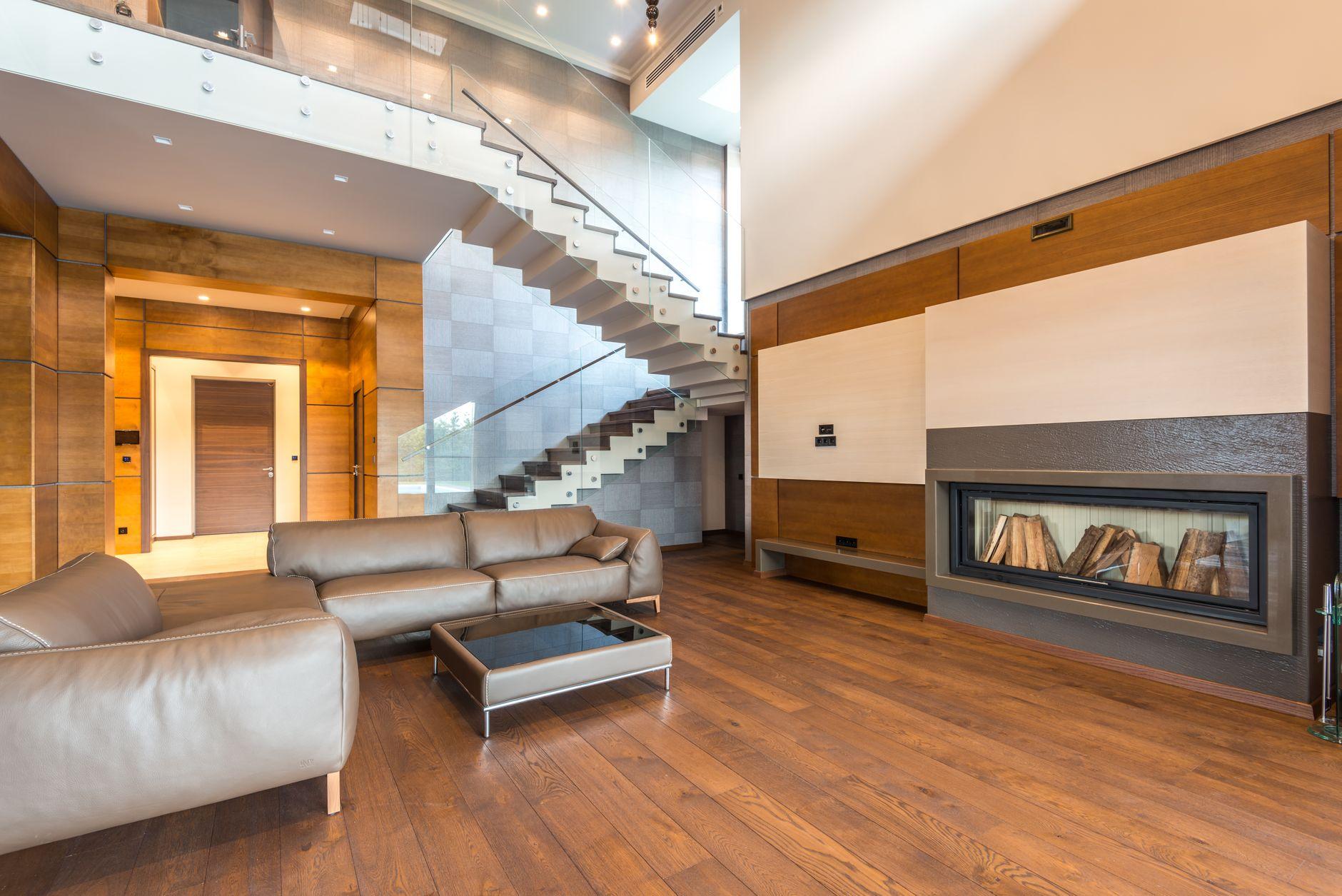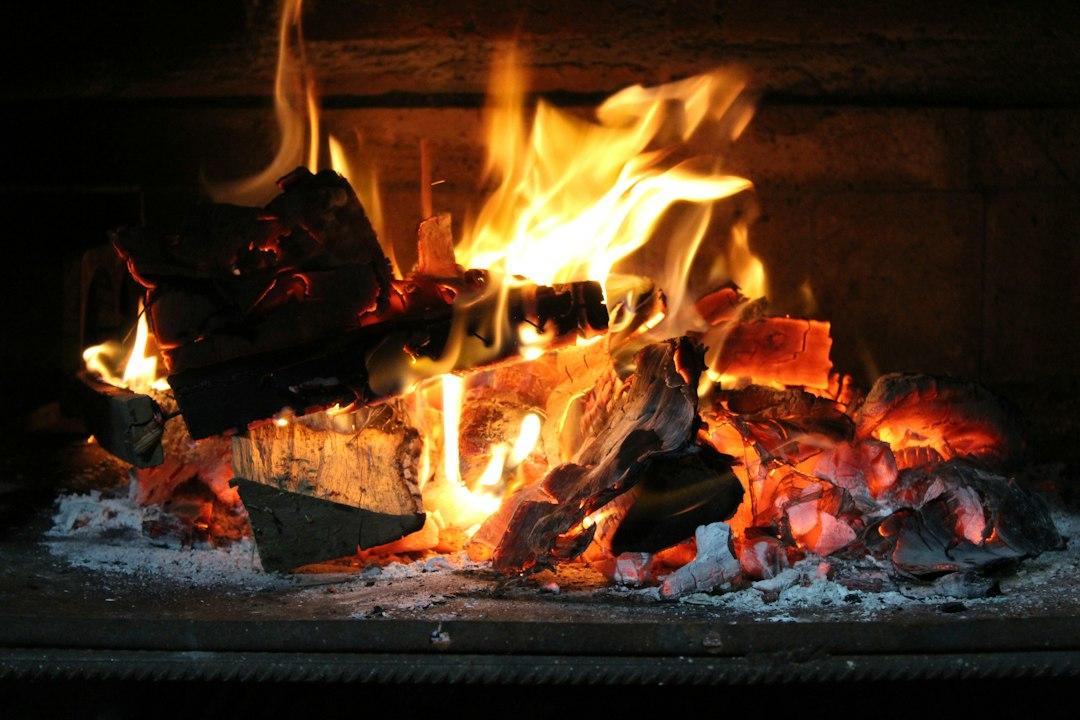
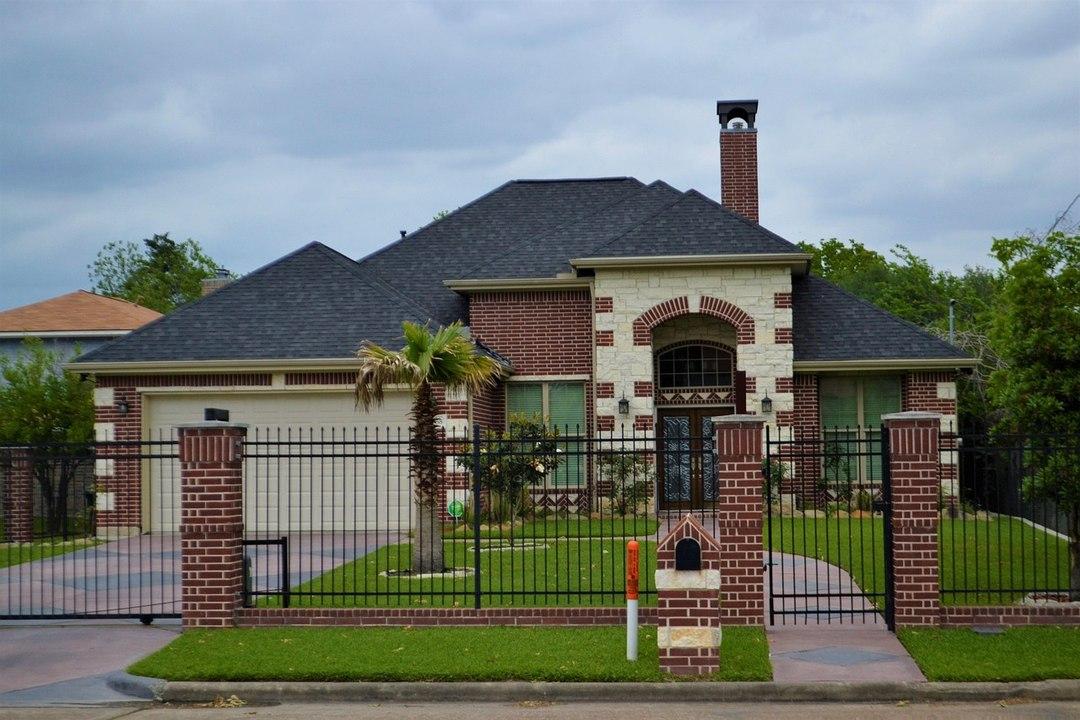
Listing photos of a Fountain Valley house often show the fireplace in its finest light: glass front, flame lit, a remote on the mantel. What they cannot show is what sits behind the glass. An insert is a heater connected to an old chimney, and whether that connection was done well decides whether the buyer is getting a working heater or a repair. Here is what we look at when a house with an insert is about to be bought, and what it costs.
Why an insert changes the inspection
A general home inspection covers a whole house in one visit. When it comes to an insert, the inspector can usually confirm it is there, perhaps that it lights, and little more. The vent runs up inside the chimney where no flashlight reaches. The label plate is often behind a panel. Many reports end the fireplace section by recommending a chimney specialist, and that is where we come in.
NFPA 211, the national standard most chimney work in the country follows, treats a change of ownership as a time for the deeper Level 2 inspection. With an insert in the picture there is extra reason: the buyer is inheriting an appliance and a vent that someone else chose and installed, often years ago.
What our Level 2 looks at on a house with an insert
Our Level 2 inspection is $395. On a house with an insert it covers the chimney and the appliance together:
- The label plate. We find it and record the make and model, so the buyer knows what they own and whether it is approved for the fireplace it sits in.
- The vent. The camera follows the vent from the insert to the top of the chimney. We note whether a full liner is there at all, what it is made of and whether it is intact and connected.
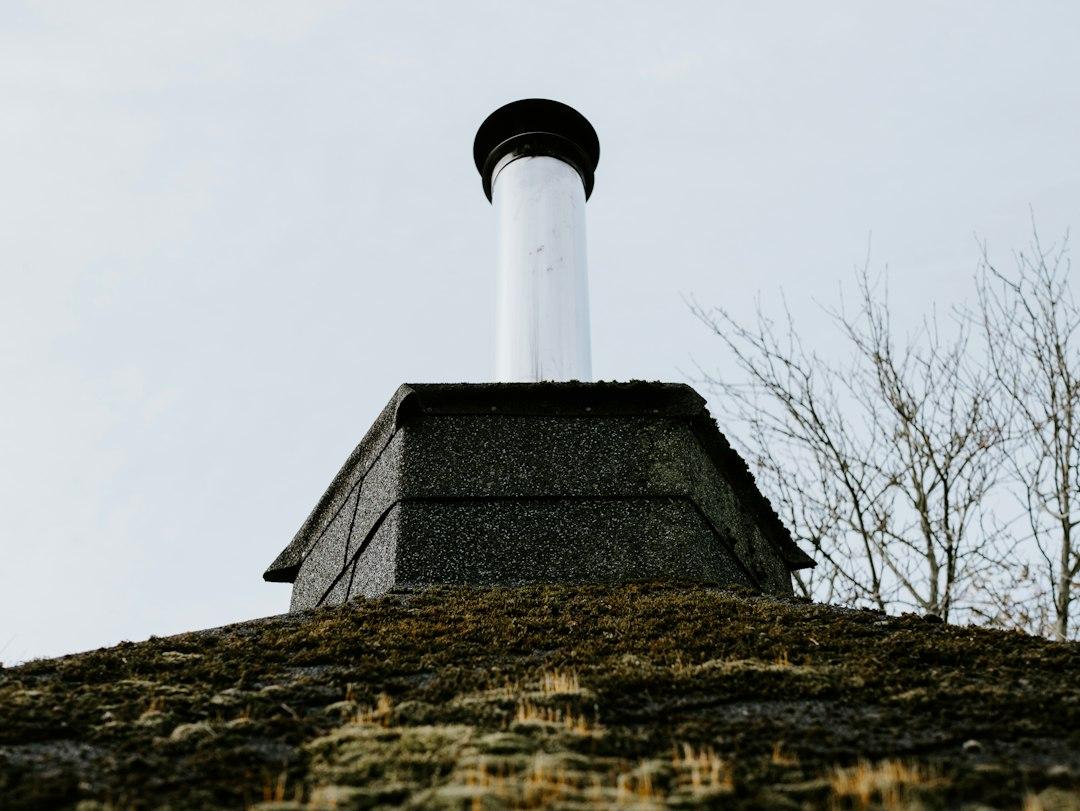
- The top. On the roof we check the cap or termination over the vent, the seal around it, the crown and the brick above the roofline.
- The appliance. For gas, whether it lights and holds a flame, the glass and its gasket, the blower. For wood, the door seal, the baffle and the firebrick inside. For pellet, whether it feeds and lights.
- The surroundings. Clearances to the mantel and trim, the hearth in front, and the brick where the chimney passes through the attic.
Every finding comes with a photo and a mark for how soon it needs attention.
What we find most often
On houses with inserts around Fountain Valley, Huntington Beach, Costa Mesa and Cypress, a handful of findings come up again and again:
- An insert vented into the old flue. A short pipe, or none, ending at the damper. It is the most common serious finding and usually means a full liner has to go in.
- No label, or a mismatch. An insert with no readable plate, or one not approved for a factory-built box.
- A worn top. A rusted cap or termination, or a crown cracked around the vent.
- Tired glass and gaskets. A small repair, still written down.
- A blower that does not run. Usually a motor or a switch.
None of these needs to sink a sale. They do need to be known before closing, not after, because once the house is yours the repair is yours too. A finding on paper during escrow is something to discuss; the same finding after the first cold night is a bill.
What the findings cost to put right
Some fixes on a house with an insert carry our published prices. Leak repair runs $565 to $3,400. If the insert has to be replaced with a new gas one, our installed range is $2,800 to $5,650. A new chimney cap is quoted after we measure, and the price depends on the chimney.
For a full liner, crown work or an appliance repair, the report comes with our written figure for each line, ready for a buyer or seller to use in the negotiation. Our up to code repairs page covers how we order those fixes.
To book, use the quote form with the property address, whether the insert burns gas, wood or pellets if the listing says, and who besides you should get a copy of the report. If the house is vacant or you live out of the area, mention how access is arranged.
Who receives the report
The person paying for the visit chooses where our findings go. Buyers usually ask for a copy for their own file and one for the agent working with them; some add the seller's agent once they are ready to ask for repairs. The report is dated and every finding is photographed, so it can be passed on as it is. Our home sale inspection page covers the sale side in more detail.
For sellers with an insert
If you are selling a house with an insert, the same inspection before listing lets you see what a buyer's inspector will see. Our page for listing agents sets out how that fits a listing.
Why not just a quick look?
A Level 1 at $165 stops at what a light and a ladder can show. For a house with an insert, the part that matters most, the vent inside the chimney, is the part a Level 1 does not reach. On a purchase, the camera is what tells you whether the insert behind those listing photos is a heater or a project.
Buying a house with an insert in Fountain Valley or close by? Reach us through the contact page and we will fit the inspection to the sale.
Ready to Price Your Own Upgrade?
Ellsworth Chimney Solutions measures the opening, checks the flue and hearth, then sets wood, gas and pellet routes next to each other with a price for each. Homes in Fountain Valley, Huntington Beach, Costa Mesa, Cypress and the towns around them are covered.